

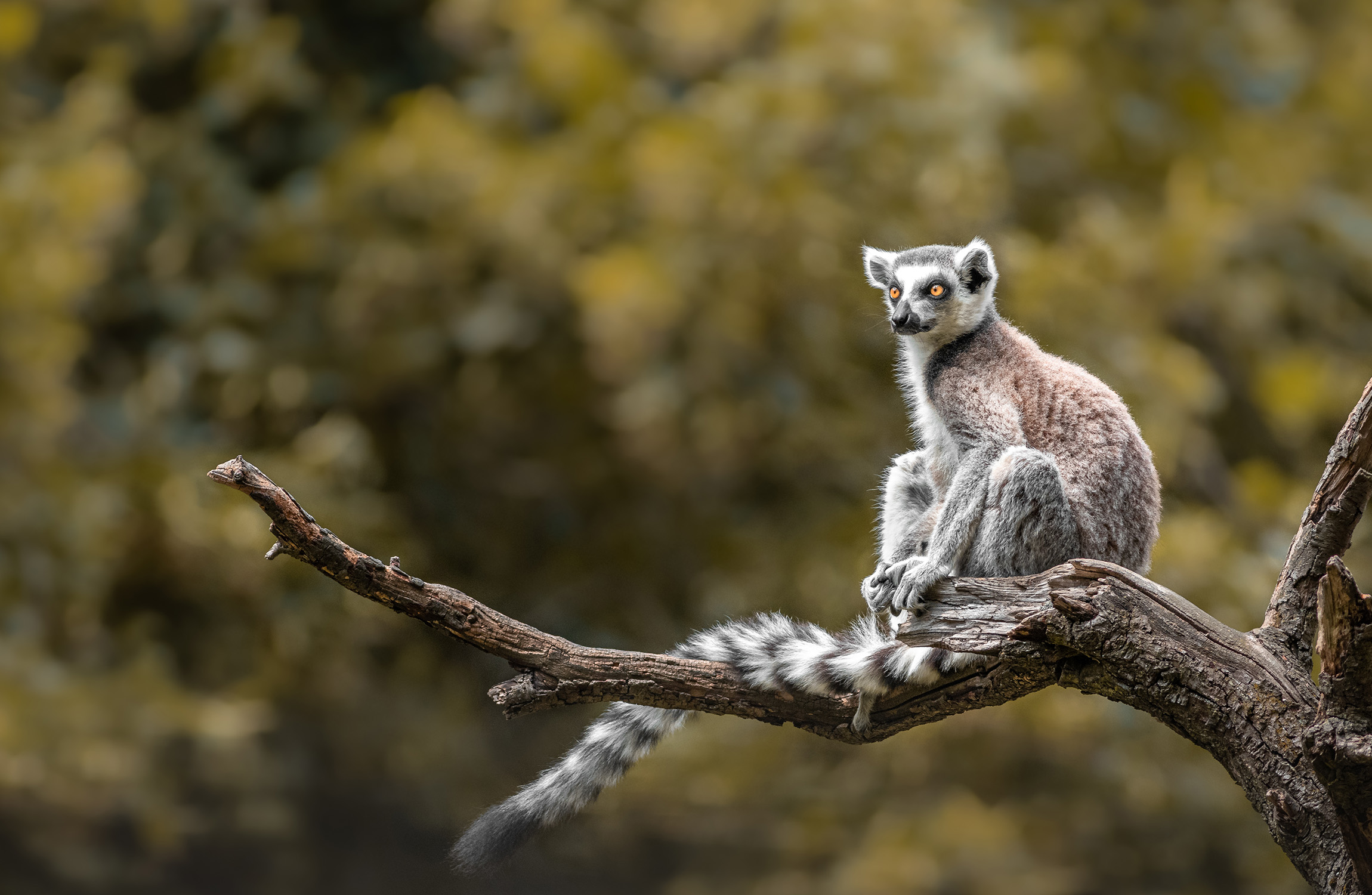
Lemur trekking in Madagascar
Madagascar is sometimes known as a “laboratory of evolution” and it is one of the most biodiverse places on Earth. Because this large Indian Ocean island has been isolated from mainland Africa for millions of years, plants and animals here took some surprising turns, and you’ll find many species that exist nowhere else on earth.
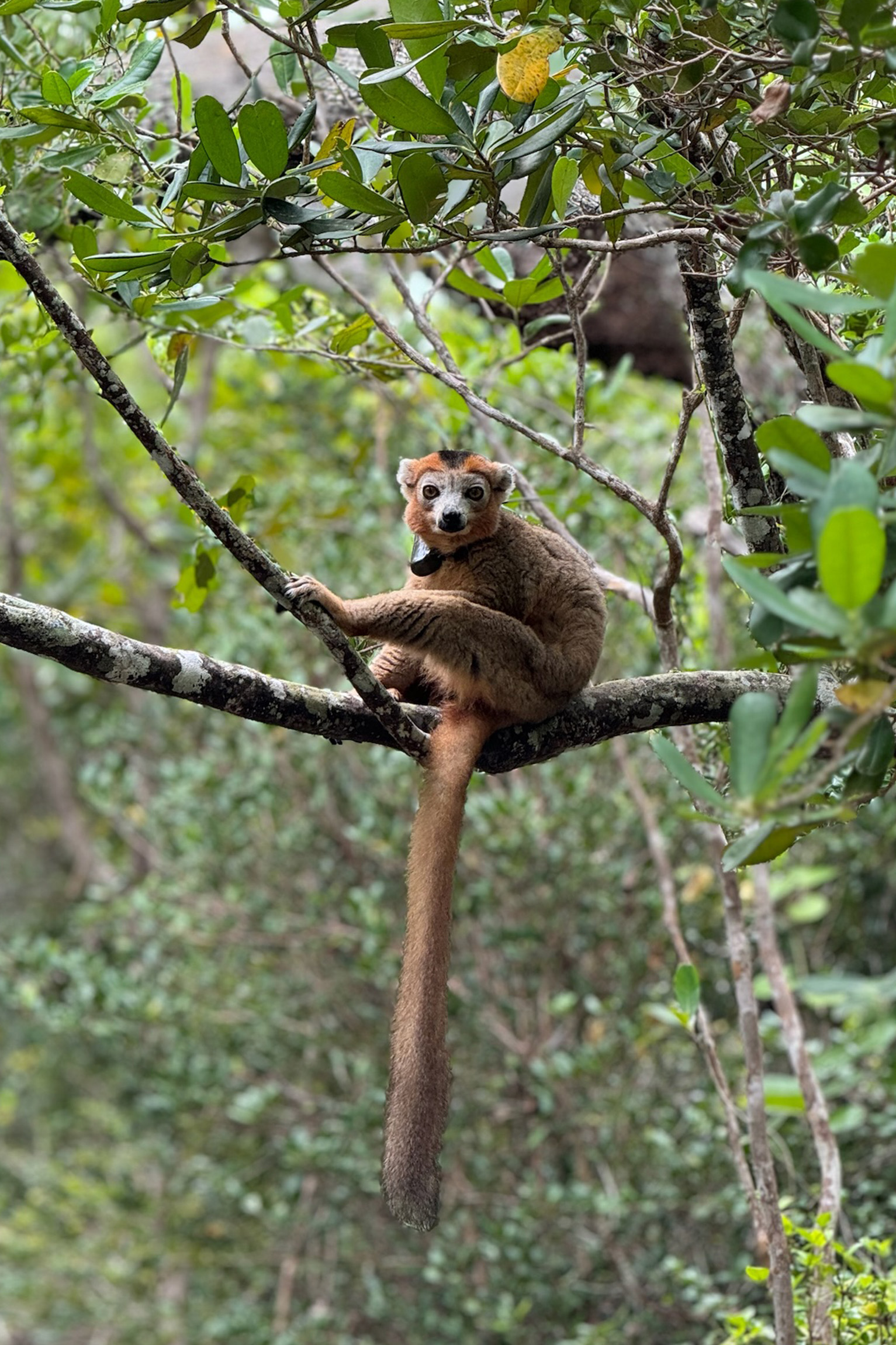
The most well-known of these, thanks to wildlife documentaries and the “Madagascar” movie franchise (hello, King Julien XIII!), are lemurs. The curious, charismatic creatures have become safari stars in their own right, and we would absolutely recommend a lemur trekking experience as part of your Madagascar island itinerary.
Introducing lemurs
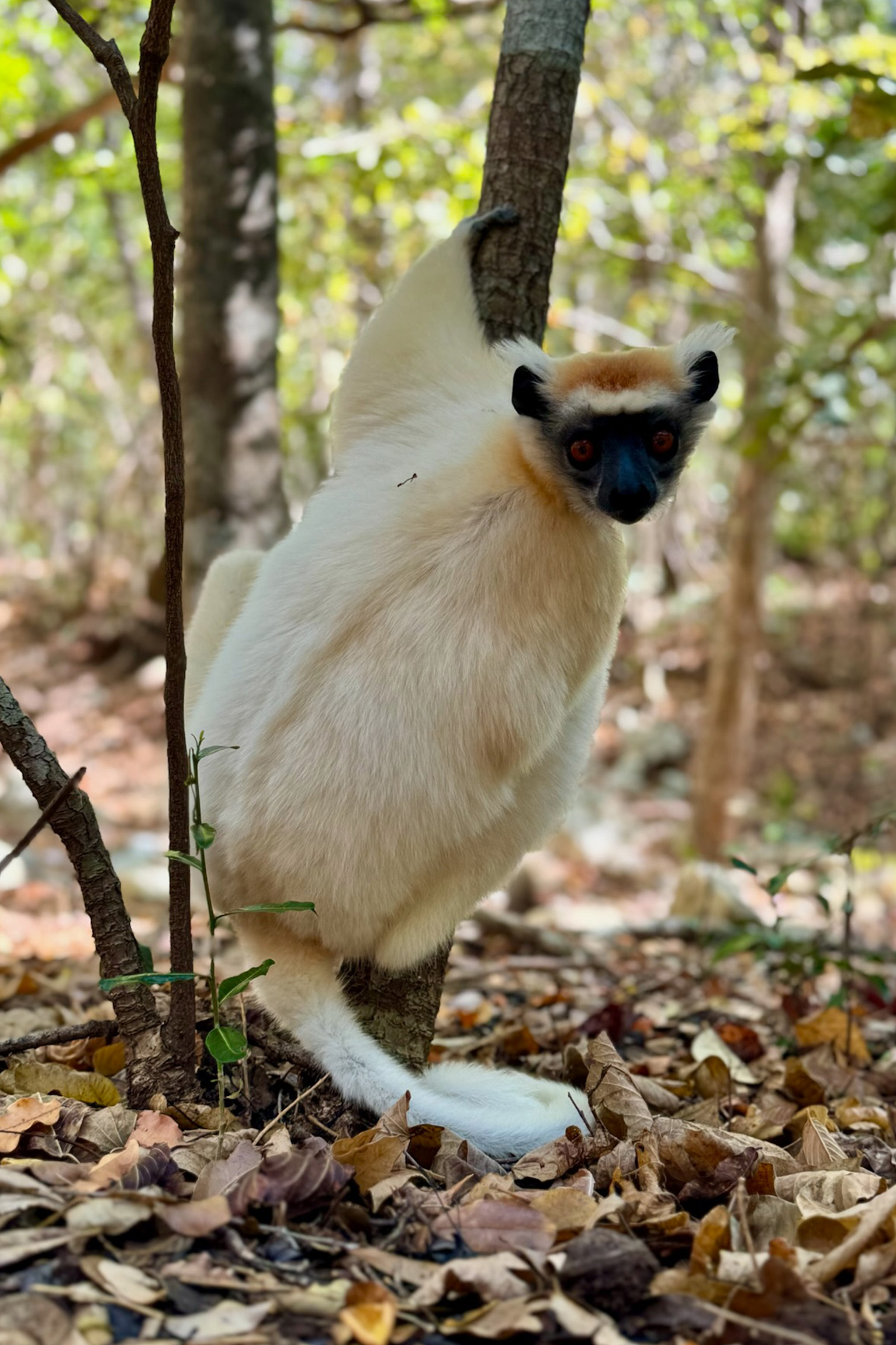
Lemurs are a type of primate, but they’re quite distinct from apes and monkeys. They’re endemic to Madagascar – this is the only place where they exist naturally in the wild. There are around 100 different species of lemur, and they come in all shapes and sizes, from the mouse lemur which could fit in the palm of your hand to the much larger indri and the more familiar ring-tailed lemur.
The word lemurs means “ghosts” or “spirits” and some of the smaller, nocturnal species are very elusive indeed. Lemurs that are active in the day tend to be larger and more sociable, and these are the species that lemur trekking excursions tend to focus on.
Where to go lemur trekking
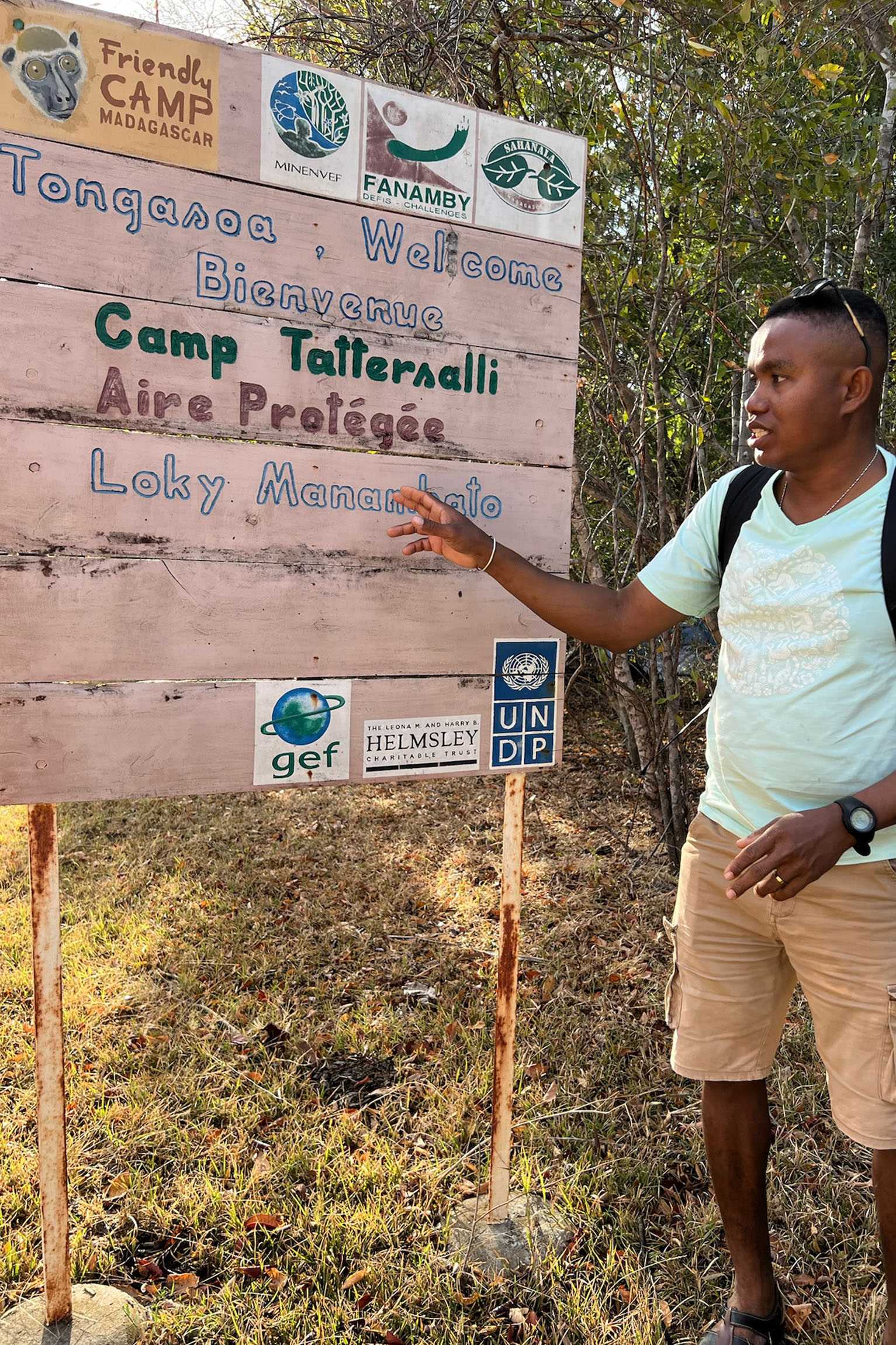
Lemurs are found in many of Madagascar’s national parks and protected areas, including Ranomafana, Isalo and Amber Mountain national parks. Then there’s Nosy Komba, which has earned the nickname “Lemur Island” because of the relative ease with which lemurs can be seen there.
The lemur trekking experience
At Private Ocean Islands, we can recommend responsible ecolodges and operators that offer sustainable wildlife experiences (including lemur trekking) that prioritize the wellbeing of the animals involved.
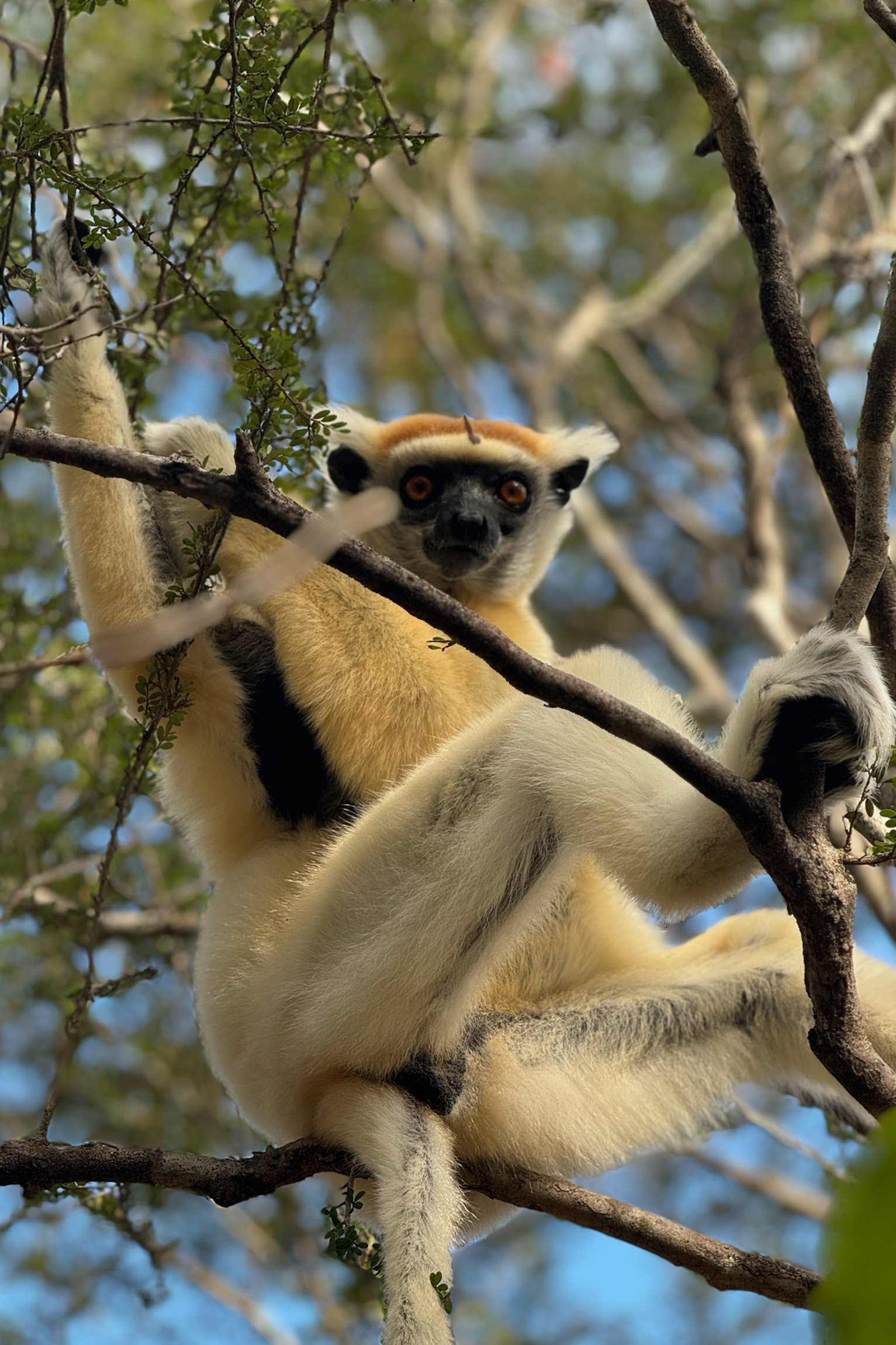
On guided walks through the lemurs’ forest habitat, expert local guides will share the secrets of the many species of mammals, flowers and insects that share the ecosystem, and help you reach the best places to spot lemurs. Some species can be quite easy to see – other, less conspicuous types of lemur require an experienced eye and specialist knowledge of their behavior and where they most like to hide.
You’ll get close enough to habituated wild lemurs to be able to observe them playing, socializing, grooming and looking for food (mostly insects and fruit, depending on the species). However, in the interests of keeping the lemurs safe and not influencing their future behavior, you won’t be allowed to touch or feed them.
When to go lemur trekking
This wildlife experience is best enjoyed during the drier times of the year (ideally April to December), when walking in the forest is easier. Many lemur species tend to have their young towards the end of the year, so focus on October and November if you’d like to have a chance to see and photograph baby lemurs in the wild.
If you’ve experienced chimpanzee trekking and mountain gorilla trekking, then lemur trekking is another primate experience you’re bound to enjoy. To learn more about lemur trekking and planning your Madagascar vacation, contact the journey specialists at Private Ocean Islands today.